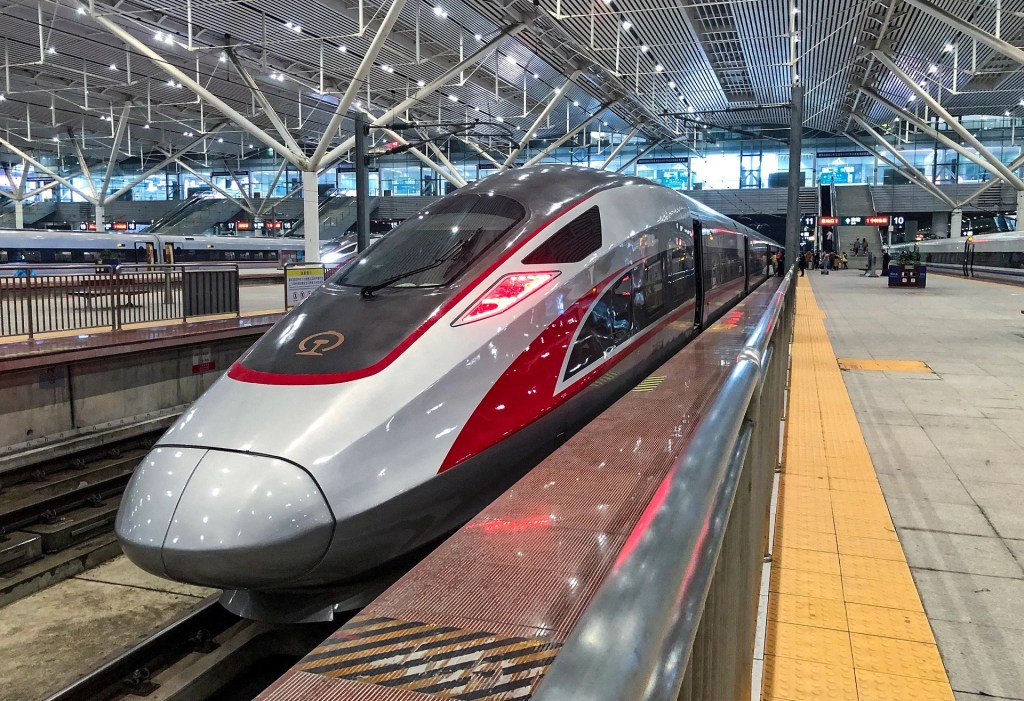
Indonesia is on the brink of a new era in transportation with the introduction of its first high-speed rail line, connecting Jakarta and Bandung. This ambitious project, part of President Joko Widodo’s infrastructure drive, is set to transform travel between these two major cities, boosting economic growth and setting the stage for further high-speed rail development in Southeast Asia.
The Jakarta-Bandung high-speed rail project, known locally as Kereta Cepat Jakarta-Bandung (KCJB), is a significant milestone in Indonesia’s infrastructure development. The rail line, spanning approximately 142 kilometers, is designed to reduce travel time between Jakarta and Bandung from the current three hours by normal train and four to six hours by car (depending on the traffic situation) to just about 40 minutes. This substantial reduction in travel time is expected to enhance connectivity, stimulate economic activity, and provide a model for future high-speed rail projects in the region.
The Jakarta-Bandung high-speed rail project is valued at around $6 billion, funded through a partnership between Indonesia and China. The project is managed by PT Kereta Cepat Indonesia China (KCIC), a consortium of Indonesian and Chinese state-owned enterprises. This collaboration highlights Indonesia’s strategic engagement with global partners to bolster its infrastructure capabilities.
The high-speed rail is expected to have far-reaching economic impacts. It will facilitate easier and quicker movement of people and goods between Jakarta, Indonesia’s bustling capital, and Bandung, a key economic and cultural hub. This improved connectivity is anticipated to spur growth in sectors such as tourism, real estate, and commerce along the corridor. Moreover, it will alleviate traffic congestion on the existing road networks, contributing to environmental benefits by reducing vehicle emissions.
The Jakarta-Bandung high-speed rail will utilize advanced technology, incorporating China’s expertise in high-speed rail systems. The trains, designed to travel at speeds of up to 350 kilometers per hour, feature state-of-the-art safety and comfort measures. The project also includes the construction of several modern stations, including Halim in Jakarta and Tegalluar in Bandung, which are designed to enhance passenger experience with amenities such as retail spaces, lounges, and seamless intermodal connections.
The high-speed rail line will feature multiple stations, including intermediate stops at Karawang and Walini, promoting regional development. These stations are strategically located to serve as catalysts for new economic zones, providing opportunities for investment and development in surrounding areas.
Despite its promise, the Jakarta-Bandung high-speed rail project has faced several challenges. Land acquisition issues, environmental concerns, and the complexities of construction in densely populated and geologically varied areas have caused delays. Additionally, the COVID-19 pandemic disrupted supply chains and labor availability, further impacting the project timeline.
However, significant progress has been made. As of 2024, major construction milestones have been achieved, including the completion of several tunnels and viaducts. The project is in its final stages of construction, with trial runs scheduled to begin soon, and full operations expected to commence by the end of the year.
The successful completion of the Jakarta-Bandung high-speed rail project will set a precedent for future high-speed rail initiatives in Indonesia. Plans are already underway to extend the line to Surabaya, further enhancing the country’s transportation network. This extension, if realized, will connect more major cities, fostering greater economic integration and development across Java, Indonesia’s most populous island.
Moreover, the high-speed rail project is expected to inspire similar initiatives in other Southeast Asian countries, contributing to regional connectivity and economic growth. Indonesia’s commitment to modernizing its infrastructure through such projects underscores its ambition to become a leading economy in the region.

 Tri Wahyuni
Leave a comment